Compare Local Contractors for Garden Soil Delivery Services
Compare local contractors for garden soil delivery to define scope, verify experience, and set clear expectations, ensuring a smooth and successful project.
Contractors specializing in garden soil delivery typically handle a range of services that ensure property owners receive the right soil for their landscaping needs. This work often includes assessing the type and quantity of soil required, coordinating delivery logistics, and ensuring the soil arrives in a suitable condition for use. Some contractors may also offer additional services such as soil testing, preparation advice, or assistance with spreading and grading once the soil is on-site. Clear communication about what is included in the scope helps property owners understand what to expect and ensures the project proceeds smoothly.
Defining the scope of work is a crucial step when working with garden soil delivery contractors. It helps prevent misunderstandings and ensures that both parties are aligned on the services to be provided. Property owners should specify details such as the amount of soil needed, delivery location, access considerations, and any additional tasks like spreading or site preparation. Having these details documented in writing creates a reference that can be used to clarify expectations and avoid potential disputes, leading to a more efficient and satisfactory experience.
When comparing local contractors for garden soil delivery, property owners should consider experience and reputation within the community. It’s helpful to review the types of projects each contractor has completed and whether they have worked with similar property sizes or soil requirements. Asking for references or examples of past work can provide insight into their reliability and quality of service. Additionally, comparing how contractors define the scope of work and their communication practices can assist in selecting a service provider who is transparent and responsive. This approach helps ensure that the chosen contractor can meet specific project needs effectively.
Compare local contractors by outlining your project priorities, verifying experience, and clarifying scope and expectations in writing.
- Compare Contractor Credentials - Review the experience and reputation of local contractors to ensure reliable service.
- Define Project Scope Clearly - Specify the amount and type of soil needed to align expectations with service providers.
- Verify Service Capabilities - Confirm that local contractors can handle soil delivery to meet project requirements.
- Document Agreements in Writing - Keep a detailed record of scope, responsibilities, and expectations for the job.
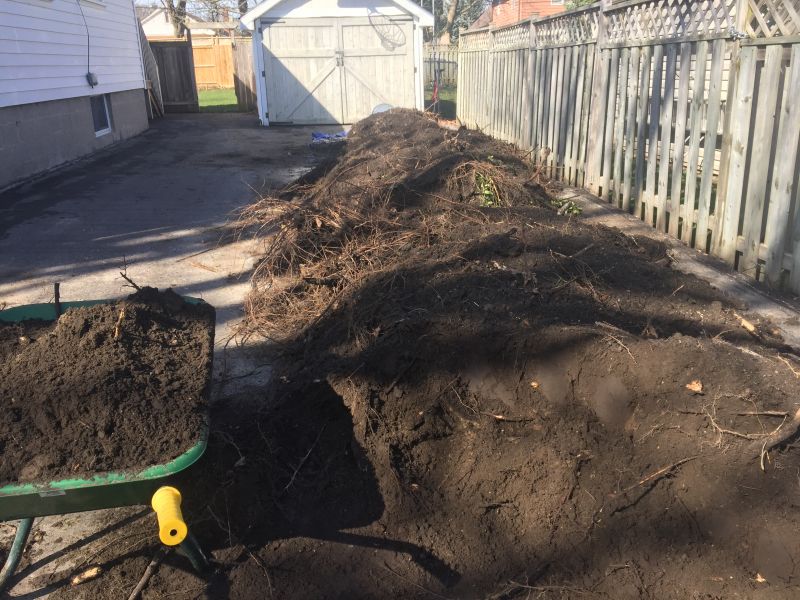
Clearly describe your garden soil delivery project to help local contractors understand your needs and compare options effectively.
- Verify the experience of local contractors in delivering and spreading garden soil. - Ensure scope of work and responsibilities are clearly defined in the service agreement.
- Compare the types of soil offered by different service providers to meet specific garden needs. - Confirm that contractors understand soil quality standards and sourcing methods.
- Check if service providers have the necessary equipment to handle soil delivery and distribution efficiently. - Clarify expectations for site access and preparation requirements.
- Review the terms for soil quantity, delivery method, and any additional services included in the scope. - Make sure all details are documented in writing to prevent misunderstandings.
- Assess the reputation and reliability of local contractors through references or reviews. - Confirm that the service providers follow proper handling and safety procedures for soil delivery.
Compare local contractors, clarify scope, verify experience, and set clear expectations in writing.
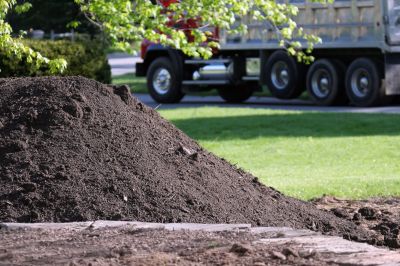
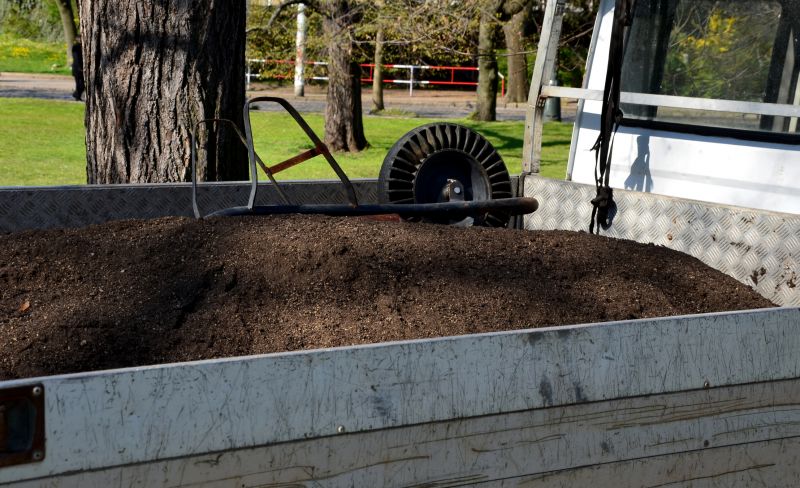
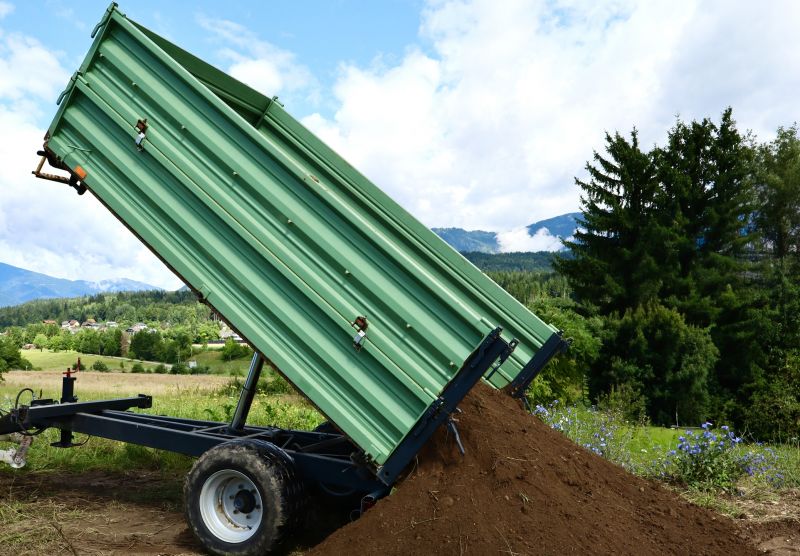
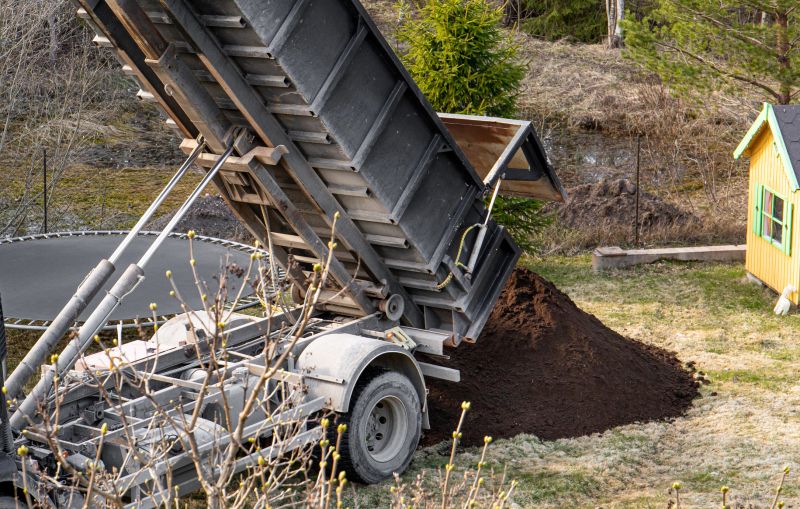
Use consistent comparison criteria to evaluate scope, experience, and written expectations across local contractors.
- Scope Definition - Clearly outline the specific tasks involved in the soil delivery, including quantity, delivery location, and any handling requirements.
- Experience Verification - Confirm that local contractors have relevant experience with garden soil delivery and related landscaping services.
- Material Specifications - Specify the type and quality of soil needed to ensure the delivery meets project requirements.
- Scope Documentation - Document all details of the soil delivery scope in writing to prevent misunderstandings and scope creep.
- Service Provider Comparison - Evaluate multiple local service providers based on scope clarity, experience, and reputation to select suitable contractors.
When comparing contractors for garden soil delivery, it is important to evaluate their experience with similar projects. Homeowners should inquire about the types of soil delivery jobs the contractors have handled in the past, paying attention to the size and scope of those projects. A contractor with a history of working on garden or landscaping projects similar in scale can be more likely to understand the specific needs of the job, such as soil type, delivery logistics, and site considerations. Gathering details about their previous work helps ensure that the service provider has relevant experience and can meet the unique demands of the project.
Having a clear, written scope of work is essential when selecting a garden soil delivery contractor. This document should outline exactly what is included in the service, such as the amount of soil to be delivered, the delivery method, and any site preparation or assistance needed upon arrival. A detailed scope helps prevent misunderstandings and sets expectations upfront, making it easier to compare different service providers objectively. Homeowners should look for contractors who provide thorough written descriptions of their services and confirm that all project requirements are explicitly addressed.
Verification basics involve confirming that a contractor has the proper background to handle the job reliably. This includes checking references or reviews from previous clients, verifying the contractor’s familiarity with local regulations, and understanding their process for ensuring quality and safety during delivery. While licensing and certification are not the focus here, gathering feedback from past customers can provide insight into the contractor’s professionalism and consistency. Homeowners should also verify that the contractor has appropriate equipment and resources to deliver the soil efficiently and safely to the site.
Evaluating options without discussing prices involves focusing on the quality of service, experience, and clarity of communication. Homeowners can compare contractors by reviewing their project descriptions, verifying their experience with similar projects, and ensuring they provide comprehensive written scopes. Asking detailed questions about their process and confirming that expectations are documented helps to identify service providers who prioritize transparency and professionalism. By concentrating on these aspects, homeowners can make informed decisions and select a garden soil delivery service that aligns with their project needs and standards.
Ask contractors to provide written scope details to ensure clear expectations and consistent project understanding.
- Experience and Expertise - What relevant experience do local contractors have with garden soil delivery projects?
- Scope of Services - How do contractors define the specific scope of work for soil delivery and related services?
- Material Quality and Specification - What standards or specifications do service providers follow for soil quality and type?
- Project Expectations and Deliverables - How do local contractors clarify the expected outcomes and responsibilities in writing?
- Comparison and Qualification - What criteria should be used to compare contractors’ capabilities and ensure they meet project needs?
How can I compare contractors for garden soil delivery? To compare local contractors, review their experience, services offered, and customer feedback. Gathering multiple quotes and clarifying the scope of work can help identify the best options for your project.
What should I clarify when defining the scope of garden soil delivery? Clearly specify the amount of soil needed, delivery location, and any additional services such as unloading or spreading. Documenting these details in writing helps set accurate expectations.
How can I verify the experience of a garden soil delivery contractor? Ask for details about their previous projects, years of service, or references. Confirming their familiarity with soil delivery ensures they can handle your specific requirements.
What questions should I ask to understand a contractor’s capabilities? Inquire about the types of soil they deliver, their equipment, and their experience with projects similar to yours. This helps determine if they can meet your needs effectively.
Why is it important to have the scope of work in writing? Having the scope documented helps prevent misunderstandings, ensures all parties agree on the deliverables, and provides a reference if issues arise during the project.
How can I ensure the contractor will meet my expectations? Clearly communicate your project requirements, ask for a detailed proposal, and confirm that all details are included in the written agreement before work begins.
This page provided an overview of how to find and compare contractors who can handle garden soil delivery. Visitors learned the importance of clarifying project scope, verifying experience, and setting clear expectations in writing to help ensure the chosen service provider meets their needs. By understanding these key points, homeowners and property managers can make more informed decisions when selecting local contractors for their soil delivery projects.
Using the quote form allows visitors to easily compare local service providers who specialize in garden soil delivery. It’s a helpful step toward connecting with experienced contractors who can handle the job and meet specific project requirements. Taking a moment to outline expectations and scope can help facilitate a smooth process when working with local contractors.